
Opus Plasma® RF Plasma Skin Resurfacing
Opus Plasma® is an advanced RF-powered fractional plasma treatment designed to improve skin texture, tone, and visible signs of aging. Available at SageMED in Bellevue for patients across the Greater Seattle area.
Targeted Plasma Delivery: Fractional RF plasma energy is applied with precision to limit unnecessary tissue exposure
Skin Quality Optimization: Designed to improve texture, tone, and visible signs of skin aging through controlled resurfacing
Clinician-Guided Treatment: Protocols tailored by area, concern, and recovery preference

What is Opus Plasma®?
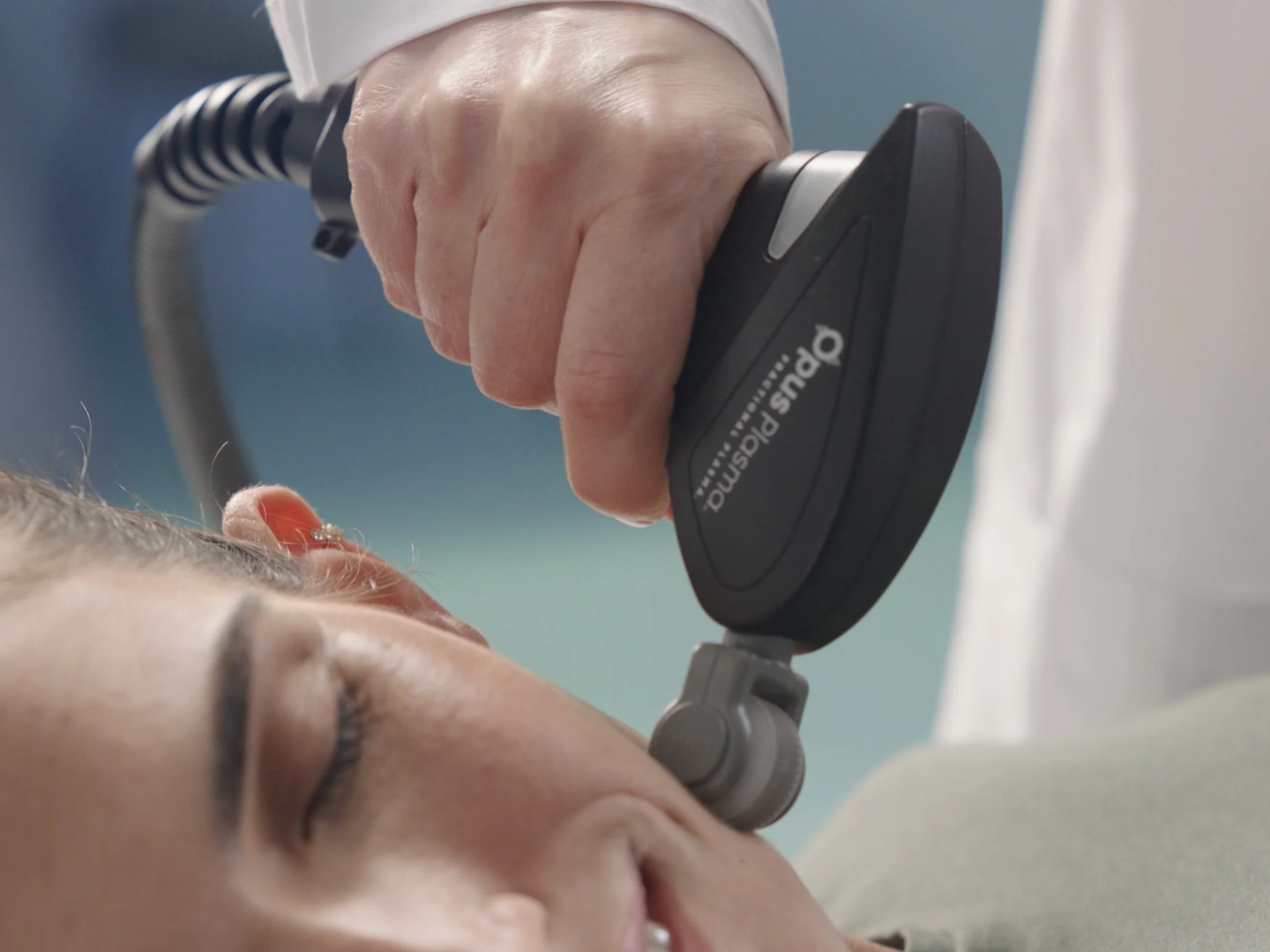
Opus Plasma® is a fractional resurfacing technology that uses RF energy to generate plasma at the handpiece pins, creating controlled micro-channels and thermal stimulation in targeted areas of the skin. This fractional approach treats "columns" of skin while leaving surrounding tissue less affected, which can support more efficient recovery compared with fully ablative resurfacing approaches.
How does Opus Plasma® work?
During treatment, a clinician selects settings based on your skin concerns (for example, texture vs. fine lines vs. pigment). The device delivers RF energy that interacts with air to generate plasma and create precise micro-channels. This controlled injury pattern helps activate the skin's natural healing response and supports collagen and elastin remodeling over time.
Fractional skin resurfacing
Because it is fractional, Opus Plasma® targets specific micro-areas rather than treating the entire surface uniformly, which can help balance results with recovery time.
Precise control over treatment intensity
Settings are adjustable for different concerns and body areas, helping clinicians tailor depth and density based on tolerance, risk factors, and desired downtime.
Benefits of Opus Plasma®
Opus Plasma® is often chosen by patients who want visible improvement in skin quality with a customizable approach.
Improves texture and tone
Can support smoother-looking skin and more even tone.
Customizable intensity
Settings can be adjusted by concern and area treated.
Versatile areas
Commonly used on the face, neck, and other areas depending on protocol.
Efficient sessions
Treatment time is typically short (numbing time is separate).
Minimal-to-moderate downtime (varies)
Redness and swelling are common and typically resolve in days, but deeper settings can last longer.
Note: "Minimal downtime" depends on treatment depth, skin sensitivity, and aftercare.
Concerns Opus Plasma® can treat
Opus Plasma® may help improve the appearance of:
- Fine lines and wrinkles
- Uneven texture and enlarged pores
- Uneven tone and visible sun damage
- Unwanted pigmentation (case-dependent)
- Acne scars and certain other scars
- Mild skin laxity
- Stretch marks (protocol-dependent)
- Crepey skin in select areas
A consultation is important to confirm candidacy and set realistic expectations, especially for pigmentation concerns and scar types.
What to expect
Before treatment
- A topical numbing cream is typically applied.
- Your clinician reviews skin history, products used (retinoids/acids), and any risk factors for irritation or pigment changes.
During treatment
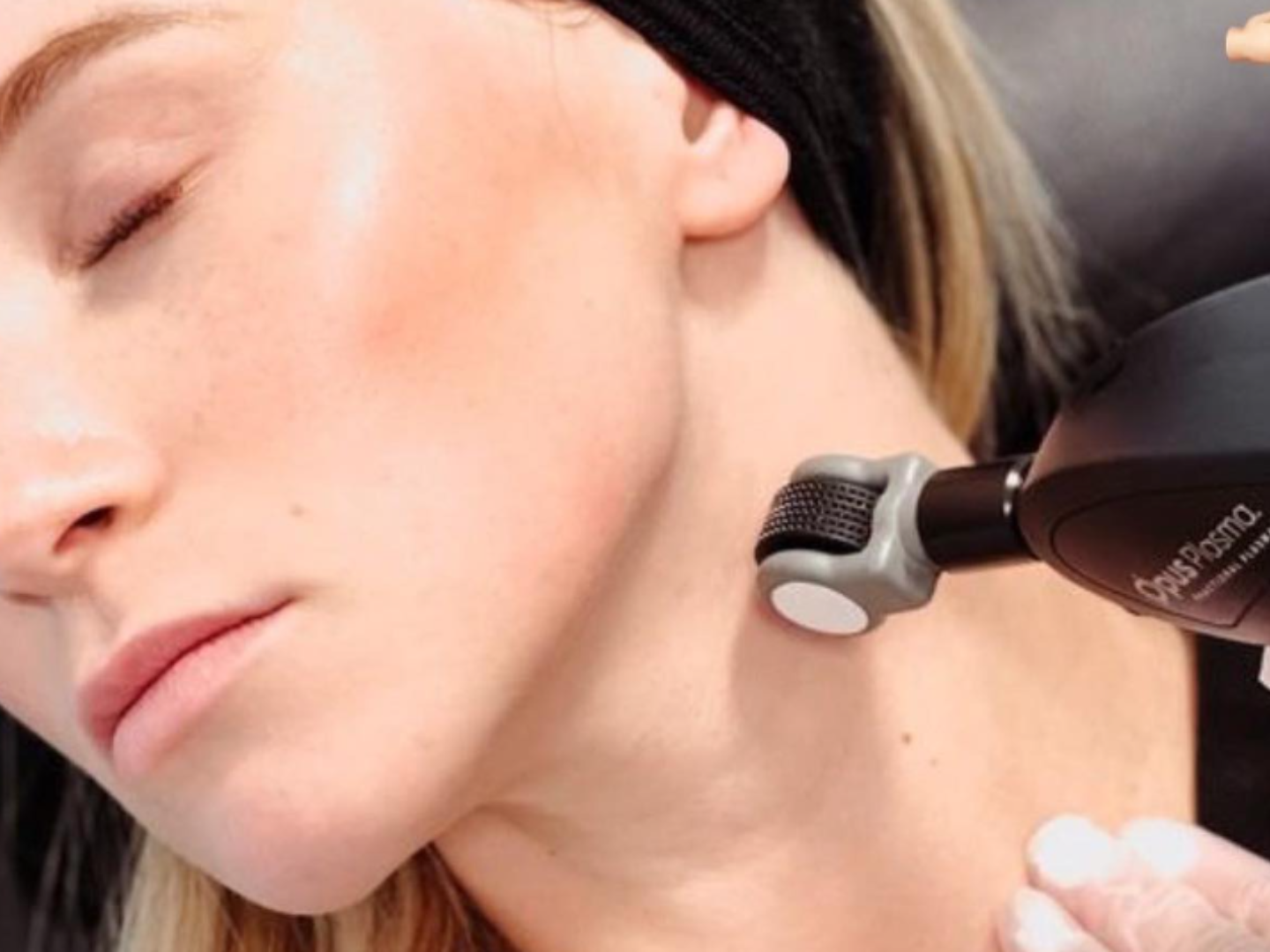
Most patients describe heat and pressure sensations rather than sharp pain, but comfort varies by settings and sensitivity.
After treatment and recovery
Redness and mild swelling are common; some patients also experience dryness or a sandpaper-like texture as skin renews.
Recovery time depends on treatment depth; some protocols note redness/swelling for several days and longer with deeper settings.
Aftercare basics (typical guidance):
- Gentle cleanser and moisturizer
- Daily broad-spectrum SPF
- Avoid picking, harsh exfoliation, and strong actives until cleared by your clinician

Risks and side effects
Potential side effects can include temporary redness, swelling, dryness, sensitivity, and peeling. Less common risks (especially with deeper settings or improper aftercare) may include prolonged irritation, infection, scarring, or pigment changes.
You may not be a candidate if you have certain active skin conditions (for example, active infection or significant irritation), or if your clinician identifies risk factors that increase complication risk.
FAQs
Does Opus Plasma® hurt?
Most patients tolerate treatment well with topical numbing. Sensations vary by settings and area treated, and you may feel heat or pressure.
How long does an Opus Plasma® session take?
Many facial treatments are relatively quick once numbing is complete. Full-face treatment time is often around 10–15 minutes, depending on protocol and areas treated.
How many sessions do I need?
Many people pursue a series based on goals (for example, texture vs. acne scarring vs. fine lines). Your clinician will recommend a plan after evaluating your skin and desired downtime.
Why choose Opus Plasma® instead of laser resurfacing?
Opus Plasma® is not a laser. It uses RF-generated plasma micro-channels and controlled thermal effects, and it may be considered for a wide range of skin types when appropriately customized by a trained provider.
Opus Plasma® cost and treatment frequency
At SageMED, treatment plans are individualized based on your concerns, treatment area, and recommended session count. For package options and scheduling, contact our team for a consultation and a personalized plan.
Schedule your Opus Plasma® consultation
If you're looking for Opus Plasma® in Bellevue or the Greater Seattle area, a consultation is the best next step to confirm candidacy and build a treatment plan aligned with your goals.
Ready to book?
Schedule a consultation with SageMED today.
Medical disclaimer: This content is for general education and does not replace medical advice. Results and downtime vary by individual, settings, and aftercare.
Exploring other options?
SageMED offers a range of clinician-guided aesthetic and wellness services designed to support skin health, confidence, and long-term results.
View Our Other Services